

Introduction
Healthy skin starts with proper care and a consistent skincare routine. Whether you have dry, oily, sensitive, or combination skin, following the right skincare habits can help keep your skin clean, hydrated, and comfortable.
You do not need expensive beauty products to care for your skin. Simple steps, suitable products, and daily sun protection can make a difference. In this guide, you will learn about different skin types, essential skincare steps, common skincare mistakes, and practical tips for maintaining healthy-looking skin.
Understanding Different Skin Types
Before choosing skincare products, it is important to understand your skin type. Different skin types have different needs, so selecting suitable products can help prevent irritation and dryness.
1. Normal Skin
Normal skin generally feels comfortable and has a balanced level of oil and moisture. A gentle cleanser, moisturizer, and sunscreen are usually enough for a basic routine.
2. Oily Skin
Oily skin produces excess sebum, which can make the face look shiny. A gentle cleanser and lightweight, non-comedogenic moisturizer can help care for oily skin without unnecessarily drying it out.
3. Dry Skin
Dry skin may feel rough, tight, or flaky. Using a gentle cleanser and a moisturizer containing ingredients such as glycerin or ceramides can help support the skin barrier and reduce moisture loss.
4. Combination Skin
Combination skin often has an oily forehead, nose, and chin, while other areas may feel normal or dry. Lightweight products that suit different areas of the face can help maintain balance.
5. Sensitive Skin
Sensitive skin may react to fragrances, harsh cleansers, or certain active ingredients. Fragrance-free products and patch testing new products can help reduce the risk of irritation.
Essential Steps in a Daily Skincare Routine
A simple skincare routine is often easier to maintain than a complicated one. Consistency matters more than using many different products.
1. Cleanse Your Face Gently
Cleansing helps remove dirt, sweat, excess oil, and sunscreen from your skin. Choose a gentle cleanser that suits your skin type. Wash your face with lukewarm water and avoid scrubbing too hard, as excessive friction can cause irritation.
For most people, washing the face in the morning and evening is sufficient. After sweating heavily, cleansing may also be helpful.
2. Use a Moisturizer
Moisturizing helps maintain hydration and supports the skin’s natural protective barrier. Even oily skin benefits from moisturizer.
Choose a lightweight lotion or gel if you prefer a lighter texture, or a richer cream if your skin feels dry. Apply moisturizer after cleansing while your skin is slightly damp.
3. Apply Sunscreen Every Day
Sun protection is one of the most important parts of skincare. Sun exposure can contribute to sunburn, premature skin aging, and an increased risk of skin cancer.
Choose a broad-spectrum sunscreen with SPF 30 or higher. Apply it to exposed skin before going outdoors and reapply approximately every two hours when outside, especially after swimming or sweating.
Remember that sunscreen is useful even on cloudy days. Shade, protective clothing, and a hat can provide additional protection.
4. Introduce Additional Products Carefully
Some people choose to add serums or other targeted products to address concerns such as uneven skin tone, acne, or dryness.
For example, niacinamide may help support the skin barrier and improve the appearance of uneven skin tone. However, no ingredient works the same way for everyone.
Introduce one new product at a time and follow its instructions. If a product causes persistent burning, swelling, or irritation, stop using it and seek medical advice if needed.
Natural Ways to Support Healthy Skin
Healthy skincare involves more than the products you apply to your face. Everyday habits can also support overall skin health.
- Drink enough water: Stay hydrated according to your thirst and daily needs.
- Eat a balanced diet: Include vegetables, fruits, whole grains, protein, and healthy fats.
- Get adequate sleep: Regular, sufficient sleep supports general health and recovery.
- Manage stress: Relaxation, enjoyable activities, and regular movement may help you manage stress.
- Avoid harsh home remedies: Lemon juice, baking soda, and rough scrubs can irritate skin.
- Keep skincare tools clean: Regularly clean makeup brushes, face cloths, and other reusable items.
Natural ingredients are not automatically safe for everyone. Always consider your skin’s sensitivity before trying a home remedy.
Common Skincare Mistakes to Avoid
Even with good intentions, some skincare habits can damage the skin barrier or worsen irritation.
Overwashing your face: Washing too frequently or using harsh cleansers can leave your skin dry and irritated.
Skipping moisturizer: Oily skin still needs hydration, so choose a suitable lightweight product instead of avoiding moisturizer completely.
Using too many active ingredients: Combining several exfoliating acids, retinoids, or other strong ingredients without a suitable plan may cause redness and irritation.
Popping pimples: Picking acne can increase inflammation and raise the risk of scarring.
Ignoring sunscreen: Skipping sun protection can contribute to sun damage over time.
Changing products too frequently: Constantly switching products makes it difficult to understand what works for your skin. Give suitable products time to work, while stopping any product that causes a concerning reaction.
How to Build an Affordable Skincare Routine
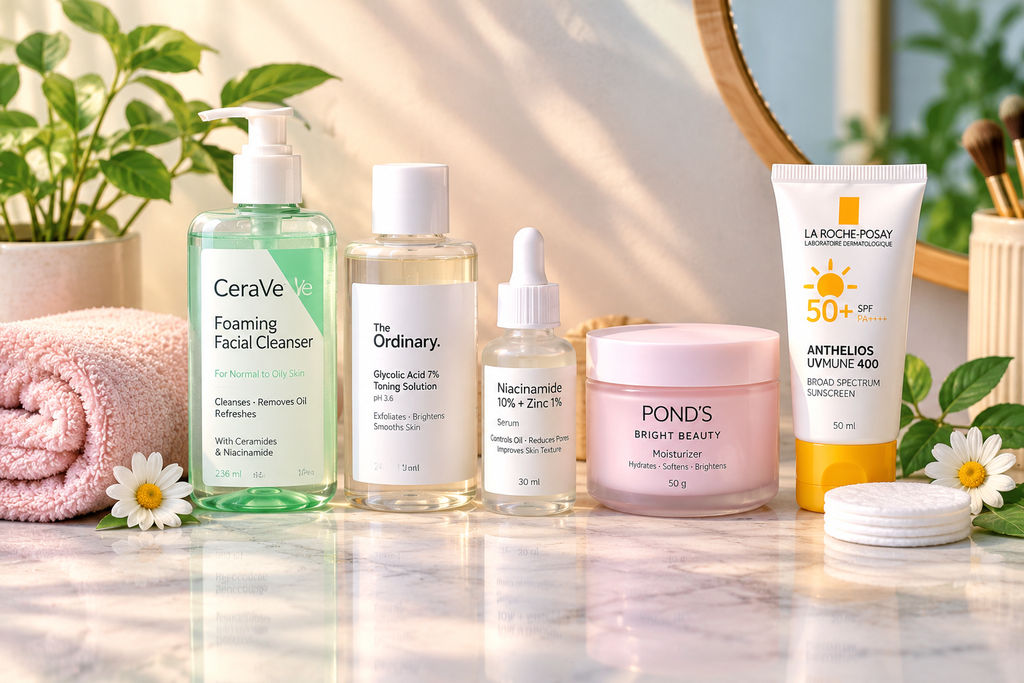
You do not need to purchase every trending skincare product. Start with three essentials:
- A gentle cleanser.
- A moisturizer suited to your skin type.
- A broad-spectrum sunscreen with SPF 30 or higher.
Once you have established a comfortable routine, you can consider additional products based on your specific concerns.
Check product labels, follow usage instructions, and avoid buying products solely because they are popular on social media. If you have persistent acne, a rash, or another ongoing skin concern, a qualified dermatologist can recommend appropriate treatment.
Conclusion
Taking care of your skin does not have to be complicated. Understanding your skin type, cleansing gently, moisturizing regularly, and protecting your skin from the sun are the foundations of a healthy skincare routine.
Remember that everyone’s skin is different. Focus on products that suit your needs, introduce new ingredients gradually, and maintain consistent habits. With patience and appropriate care, you can support your skin’s health without relying on expensive or complicated routines.
Frequently Asked Questions (FAQs)
1. What is the best daily skincare routine?
A basic daily routine includes cleansing, moisturizing, and applying sunscreen in the morning. In the evening, cleanse your face to remove dirt and sunscreen, then apply moisturizer.
2. How many times should I wash my face daily?
For most people, washing the face twice daily—once in the morning and once at night—is sufficient. You may also cleanse after heavy sweating.
3. Is moisturizer necessary for oily skin?
Yes. Oily skin can still become dehydrated. A lightweight, non-comedogenic moisturizer can help maintain hydration without feeling excessively greasy.
4. Which sunscreen is best for everyday use?
Choose a broad-spectrum sunscreen with SPF 30 or higher that feels comfortable on your skin. If you have sensitive skin, consider a fragrance-free formula.
5. How long does it take for skincare products to work?
It depends on the product and the concern being treated. Moisturizers may improve dryness quickly, while acne treatments and products targeting uneven skin tone may take several weeks or longer.
6. Can I use natural ingredients on my face?
Some natural ingredients may be suitable for skincare, but others can cause irritation or allergic reactions. Avoid harsh ingredients such as lemon juice and baking soda, and patch-test new products.
7. What should I do if my skin is sensitive?
Use a gentle cleanser, a fragrance-free moisturizer, and sunscreen that you tolerate well. Introduce new products one at a time and discontinue products that cause persistent irritation.
8. Does drinking water improve skin health?
Drinking enough water supports overall health and helps prevent dehydration. However, drinking extra water beyond your body’s needs is not a guaranteed way to clear acne or eliminate wrinkles.
9. Is sunscreen necessary on cloudy days?
Yes. Ultraviolet (UV) radiation can reach your skin even when the sky is cloudy. Daily sun protection helps reduce sun damage over time.
10. When should I see a dermatologist?
Consider seeing a dermatologist if you have persistent acne, severe irritation, unexplained rashes, painful skin conditions, or concerns that do not improve with basic skincare.


Add Comment