
Introduction
Healthy, glowing skin starts with a good skincare routine. Whether you have dry, oily, combination, or sensitive skin, taking care of your skin can help maintain its natural glow, improve its texture, and protect it from environmental damage.
Skincare doesn’t have to be complicated or expensive. With the right products, consistent habits, and a little patience, you can build a routine that suits your skin’s unique needs.
In this blog, we’ll explore the importance of skincare, essential steps for a daily routine, tips for different skin types, and answers to frequently asked questions about achieving healthy skin.
Why Is Skincare Important?
Your skin is your body’s largest organ and serves as a protective barrier against external factors such as pollution, sunlight, and harmful microorganisms. A proper skincare routine helps support this barrier and maintain your skin’s overall health.
Here are some key benefits of skincare:
- Keeps skin hydrated: Moisturizers help prevent dryness and support the skin barrier.
- Protects against sun damage: Sunscreen helps reduce the risk of sunburn, premature aging, and skin cancer.
- Improves skin texture: Consistent care can help make skin feel smoother.
- Helps manage breakouts: Suitable skincare products can reduce clogged pores and support acne management.
- Promotes a healthy appearance: Gentle cleansing and moisturizing can help your skin look fresh and radiant.
Essential Steps for a Daily Skincare Routine
You don’t need dozens of products to care for your skin. A simple, consistent routine is often the best place to start.
1. Cleanse Your Skin
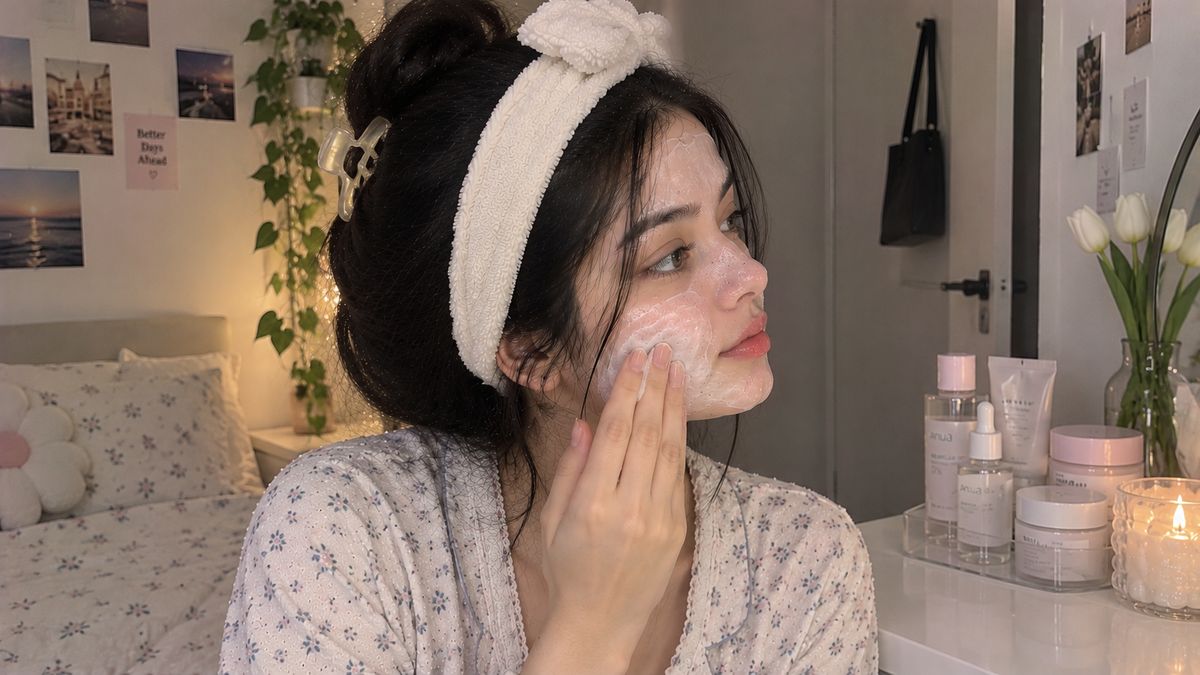
Cleansing removes excess oil, sweat, dirt, makeup, and other impurities that accumulate throughout the day.
Choose a gentle cleanser that suits your skin type. If you have oily skin, look for a cleanser that removes excess oil without leaving your skin feeling tight. For dry or sensitive skin, a mild, fragrance-free cleanser may be a better choice.
Wash your face with lukewarm water and avoid scrubbing too hard.
2. Apply Moisturizer
Moisturizing is important for every skin type, including oily and acne-prone skin. It helps maintain hydration and supports the skin’s protective barrier.
- Dry skin: Try a richer cream containing ingredients such as ceramides or glycerin.
- Oily skin: Consider a lightweight, non-comedogenic gel or lotion.
- Sensitive skin: Choose a simple, fragrance-free moisturizer.
- Combination skin: Use a balanced moisturizer and adjust the amount according to different areas of your face.
Applying moisturizer after cleansing can help keep your skin comfortable and hydrated.
3. Use Sunscreen Every Day
Sunscreen is one of the most important steps in a skincare routine. Ultraviolet (UV) radiation can contribute to sunburn, premature skin aging, and skin cancer.
Choose a broad-spectrum sunscreen with SPF 30 or higher. Apply it generously to exposed skin and reapply approximately every two hours when outdoors, as well as after swimming or sweating.
Even on cloudy days, UV protection matters. If you spend time near windows or outdoors, daily sunscreen can help protect your skin from cumulative sun exposure.
4. Add Targeted Skincare Products
Once you’ve established a basic routine, you may consider adding products that address specific concerns, such as acne, uneven skin tone, or fine lines.
Common skincare ingredients include:
- Hyaluronic acid: Helps attract and retain moisture.
- Niacinamide: May help support the skin barrier and improve the appearance of uneven skin tone.
- Vitamin C: An antioxidant that can help protect against environmental damage and improve the appearance of dark spots.
- Salicylic acid: Can help unclog pores and manage certain types of acne.
- Retinoids: Can help treat acne and improve the appearance of fine lines, but may cause irritation and require gradual introduction.
Introduce new active ingredients one at a time. If you have sensitive skin, test a small area first and stop using a product if it causes significant irritation.
Morning vs. Night Skincare Routine
Your skin has different needs during the day and at night, so you can adjust your routine accordingly.
Morning Routine
- Cleanse gently, or rinse with water if your skin doesn’t need a full cleanse.
- Apply any suitable treatment products.
- Use moisturizer.
- Finish with broad-spectrum SPF 30 or higher sunscreen.
Night Routine
- Remove makeup and sunscreen.
- Cleanse your face gently.
- Apply targeted treatments if needed.
- Use a moisturizer to support hydration overnight.
Keep your routine simple and consistent rather than using too many products at once.
Skincare Tips for Different Skin Types
Oily Skin
Oily skin produces excess sebum, which can contribute to clogged pores and breakouts.
Tips:
- Use a gentle cleanser.
- Choose lightweight, non-comedogenic moisturizers.
- Avoid harsh scrubs and overly drying products.
- Consider salicylic acid if you experience clogged pores.
Dry Skin
Dry skin may feel tight, rough, flaky, or uncomfortable.
Tips:
- Use a gentle, hydrating cleanser.
- Apply moisturizer regularly.
- Look for ingredients such as glycerin, ceramides, and petrolatum.
- Avoid long, hot showers and harsh exfoliants.
Combination Skin
Combination skin often has an oily T-zone and drier cheeks.
Tips:
- Choose a gentle cleanser.
- Use a balanced moisturizer.
- Apply targeted products only where needed.
- Avoid treating every area of your face as if it has the same needs.
Sensitive Skin
Sensitive skin may react to fragrances, certain active ingredients, or environmental changes.
Tips:
- Choose fragrance-free products.
- Introduce new products gradually.
- Avoid unnecessary exfoliation.
- Consult a dermatologist if irritation is persistent or severe.
Common Skincare Mistakes to Avoid
Even well-intentioned skincare habits can sometimes damage the skin barrier or worsen existing concerns.
- Over-cleansing: Washing too frequently can leave skin dry and irritated.
- Skipping sunscreen: Sun exposure can cause long-term skin damage.
- Using too many active ingredients: Combining several strong treatments may increase irritation.
- Picking pimples: This can increase inflammation and the risk of scarring.
- Following every skincare trend: A product that works for someone else may not suit your skin.
- Expecting instant results: Many skincare products require several weeks of consistent use to show noticeable benefits.
Remember that healthy skin is not necessarily flawless skin. Natural texture, pores, and occasional breakouts are normal.
Lifestyle Habits for Healthy, Glowing Skin
Skincare products are only one part of maintaining healthy skin. Everyday habits can also make a difference.
- Stay hydrated: Drink water regularly according to your needs.
- Eat a balanced diet: Include fruits, vegetables, whole grains, healthy fats, and adequate protein.
- Get enough sleep: Consistent sleep supports overall health and skin recovery.
- Manage stress: Relaxation, exercise, and enjoyable activities may help reduce stress-related skin flare-ups.
- Avoid smoking: Smoking contributes to premature skin aging.
- Be consistent: A simple routine followed regularly is generally more useful than frequently switching products.
Frequently Asked Questions (FAQs)
1. What is the best skincare routine for beginners?
A beginner-friendly routine includes three essential steps: gentle cleansing, moisturizing, and applying sunscreen during the day. Once your skin adjusts, you can add targeted products for specific concerns.
2. How many times should I wash my face daily?
For most people, washing the face twice daily—morning and evening—is reasonable. You may also want to cleanse after heavy sweating. If your skin becomes dry or irritated, consider adjusting your routine.
3. Is moisturizer necessary for oily skin?
Yes. Oily skin can still become dehydrated. A lightweight, non-comedogenic moisturizer can help maintain the skin barrier without feeling overly greasy.
4. When should I apply sunscreen?
Apply sunscreen as the final step of your morning skincare routine, after moisturizer. If you’re using makeup, sunscreen generally goes underneath it. Reapply about every two hours when outdoors and after swimming or sweating.
5. How long does it take to see skincare results?
It depends on the product and the skin concern. Moisturizers may provide immediate relief from dryness, while acne treatments and products for uneven skin tone often require several weeks or longer to show noticeable improvement.
6. Can I use skincare products every day?
Many basic products, such as gentle cleansers, moisturizers, and sunscreen, are designed for daily use. However, exfoliating acids and retinoids may need to be introduced gradually, depending on their strength and your skin’s tolerance.
7. What ingredients are best for glowing skin?
Ingredients such as glycerin, hyaluronic acid, niacinamide, and vitamin C may help support hydration and improve the appearance of skin tone and texture. The best choice depends on your skin type and concerns.
8. Is expensive skincare better than affordable skincare?
Not necessarily. An affordable product with suitable ingredients can be just as useful as a more expensive option. Focus on the formulation, your skin’s needs, and how consistently you use the product.
9. Should I exfoliate my skin every day?
Not necessarily. Daily exfoliation can irritate many skin types, particularly sensitive or dry skin. Start with a low frequency if you choose to exfoliate, and adjust based on how your skin responds.
10. When should I consult a dermatologist?
Consult a dermatologist if you experience persistent acne, painful or worsening rashes, severe irritation, unexplained skin changes, or concerns about a changing mole. Professional guidance can help you choose suitable treatments.
Conclusion
Achieving healthy, glowing skin is about consistency, protection, and understanding your skin’s individual needs. A simple routine built around gentle cleansing, moisturizing, and daily sunscreen can provide a strong foundation for long-term skin health.
Remember that every person’s skin is different. Choose products thoughtfully, introduce new ingredients gradually, maintain healthy lifestyle habits, and give your routine time to work.
The secret to better skincare isn’t using more products—it’s using the right products consistently.
Disclaimer: This article is for general educational purposes and is not a substitute for professional medical advice. Consult a qualified dermatologist for persistent or severe skin concerns.


Add Comment